

How to Use an Online Newsroom to Communicate Directly with Your Audience


Key points
With today’s fragmented media ecosystem, brands must prioritize their owned channels to stay visible, credible and in control of their narrative.
A newsroom gives brands a direct communication line, supports SEO and GEO, improves message consistency across channels and enables brand journalism that builds trust and emotional connection.
Strong newsrooms host a variety of content (e.g., stories, insights, video, motion graphics, employee features, media kits and more) designed to engage customers, media contacts, investors and other audiences.
By publishing high-quality, search-friendly content that reflects brand values, a newsroom can deepen loyalty, increase coverage and serve as the heartbeat of your company’s broader PR and content strategy.
It can be tough to land media coverage and manage brand perceptions across today’s splintered mix of AI tools, social media platforms, news outlets and creator-driven channels. To stay credible and visible, top brands now pay closer attention to their owned channels than before.
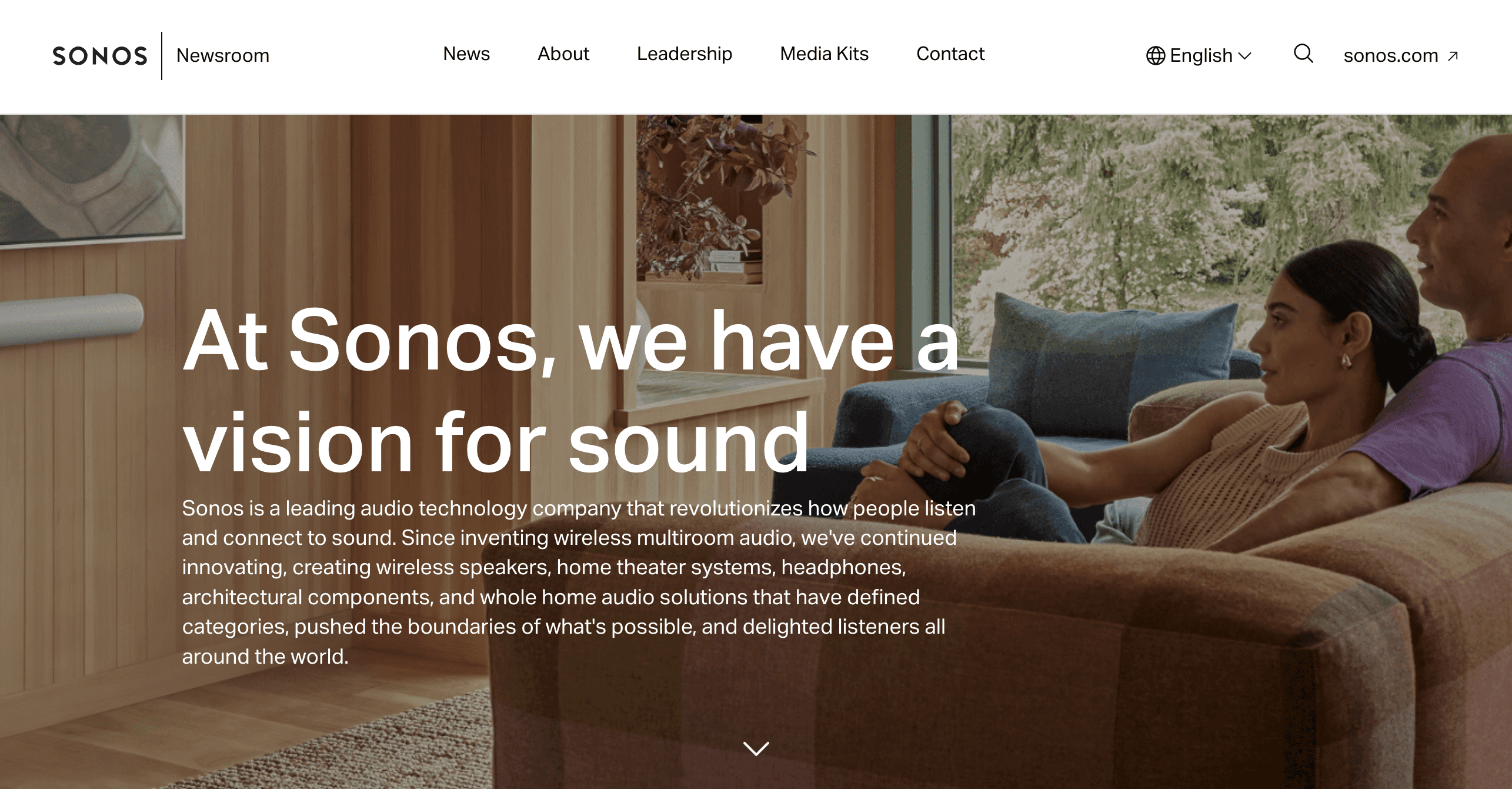
Over the last few years, brands like Apple and WeTransfer have replaced ho-hum, utilitarian press pages with vibrant online newsrooms that put valuable brand content directly into their audiences’ hands. No distractions. No intermediaries.
If you’re ready to truly own your narrative, read on to discover how to optimize your owned-media strategy and create a direct, authoritative connection between your brand and your most important stakeholders.
How can a corporate newsroom enhance your brand’s PR strategy?
A well-built corporate media center lets you bypass traditional gatekeepers (e.g., the journalists and editors at news organizations) and speak to your audiences on your own terms. While it’s still critical to secure third-party coverage and “earned” trust, which builds credibility, your owned media platforms provide a direct line to critical audiences.
A modern newsroom, powered by state-of-the-art newsroom software, is also much more than a home for static press releases. Today’s top brands use their newsrooms as flexible, interactive publishing hubs for all kinds of brand content. Think media kits, expert commentary, customer stories, research insights, product updates and more.
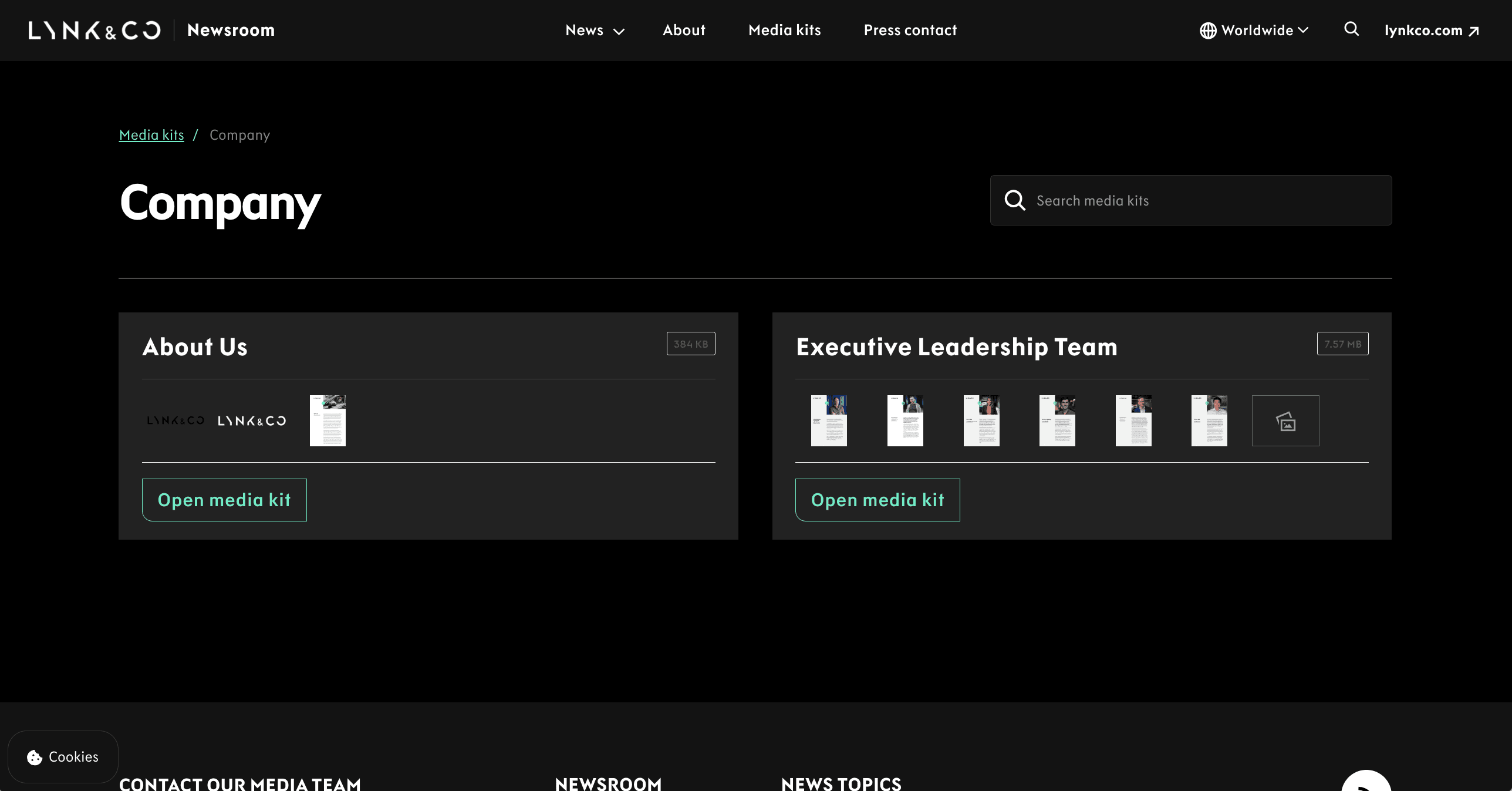
With the proper structure and strategy, your brand media center can become the engine of your entire owned media ecosystem and digital PR strategy. The content published here can power your website, newsletters, social media channels and even partner platforms with consistent storytelling.
“With declining trust in traditional media and increasing amounts of misinformation online, businesses are investing more in owned media platforms,” a Sprinklr article notes. “This shift allows you to control your messaging, engage audiences directly and reduce reliance on third-party media.”
As you own the platform, you also own discovery. With the right newsroom SEO strategy, you can ensure your content ranks well for the topics and questions your audiences care about. And as AI-driven search becomes more influential, you can incorporate generative engine optimization (GEO) tactics to ensure your brand is accurately represented in AI-generated summaries.
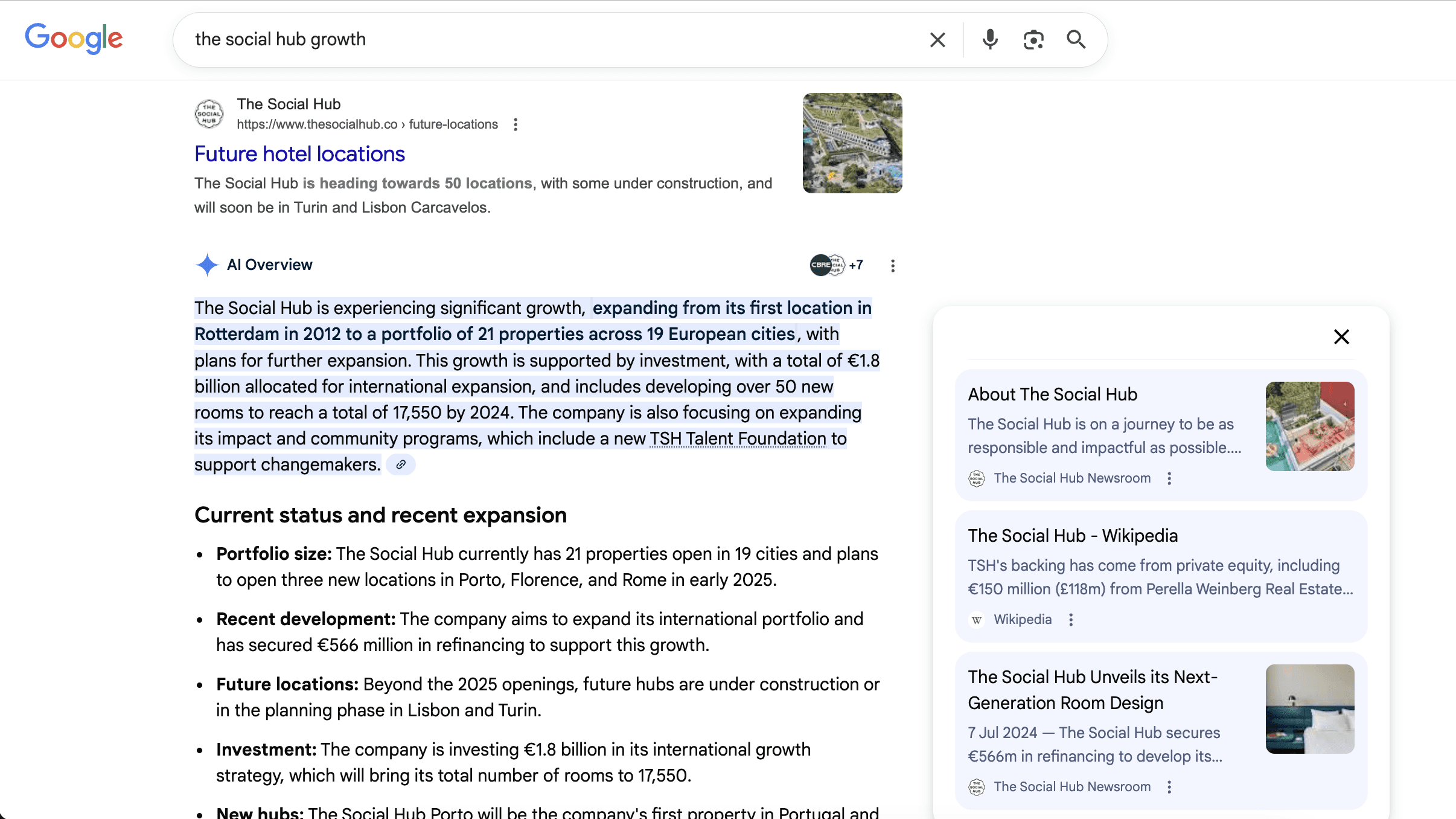
▲ When looking up news about The Social Hub's growth, their own newsroom appears as a source in Google's AI overviews. This highlights the importance of having an owned channel to share your story and shape your reputation.
Another significant advantage is that your newsroom provides a platform for the kind of brand journalism that can help you build trust, authority and emotional connection with your audiences, as Apple masterfully does.
When you publish stories that educate, inspire and create reasons to believe in your brand, your online newsroom becomes a dynamic platform that can deepen customer loyalty and strengthen your position in the market.
What type of content can be shared through an online newsroom?
The “company press page” used to be a one-way announcement board. Today, the best brand newsrooms are conversation starters.
As these powerful online newsroom examples show, good corporate newsrooms tend to host a diverse mix of content tailored to multiple stakeholders. They cater, for example, to journalists and customers who want to stay in the know about product launches, investors interested in annual reports, and future employees on the hunt for employers that echo their values and ambitions.
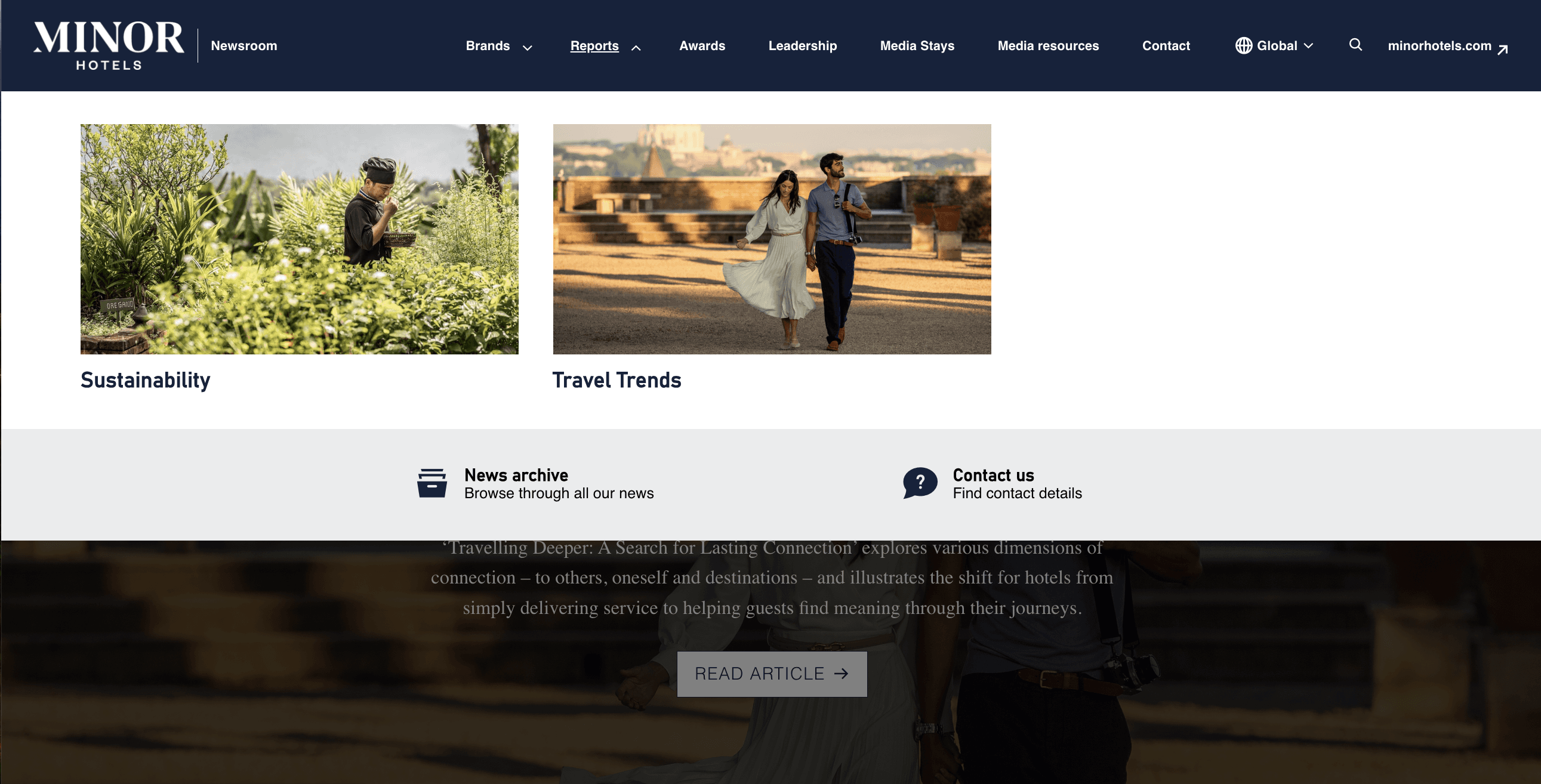
▲ Minor Hotels uses their online newsroom to share their latest sustainability reports and travel trends.
To stay competitive and get the attention your brand deserves, your newsroom content must be genuinely compelling. Focus on sharing stories your audiences want to read, watch or listen to, i.e., content that adds value, engages stakeholders and reflects authentic thought leadership and industry expertise.
It’s also key to use the digital storytelling tools at your disposal. Even technical pieces like annual reports can become dynamic, multimedia narratives enhanced with video, motion graphics and data visualization. Employee profiles, product launches and other updates can also be brought to life with short-form video, behind-the-scenes content and interactive elements.
And while your newsroom can help you reach target audiences directly, it remains an essential resource for journalists. If you keep it stocked with visual press releases, ready-to-use media assets, downloadable media kits and official quotes, you improve your chances of getting coverage that aligns with your intended message.
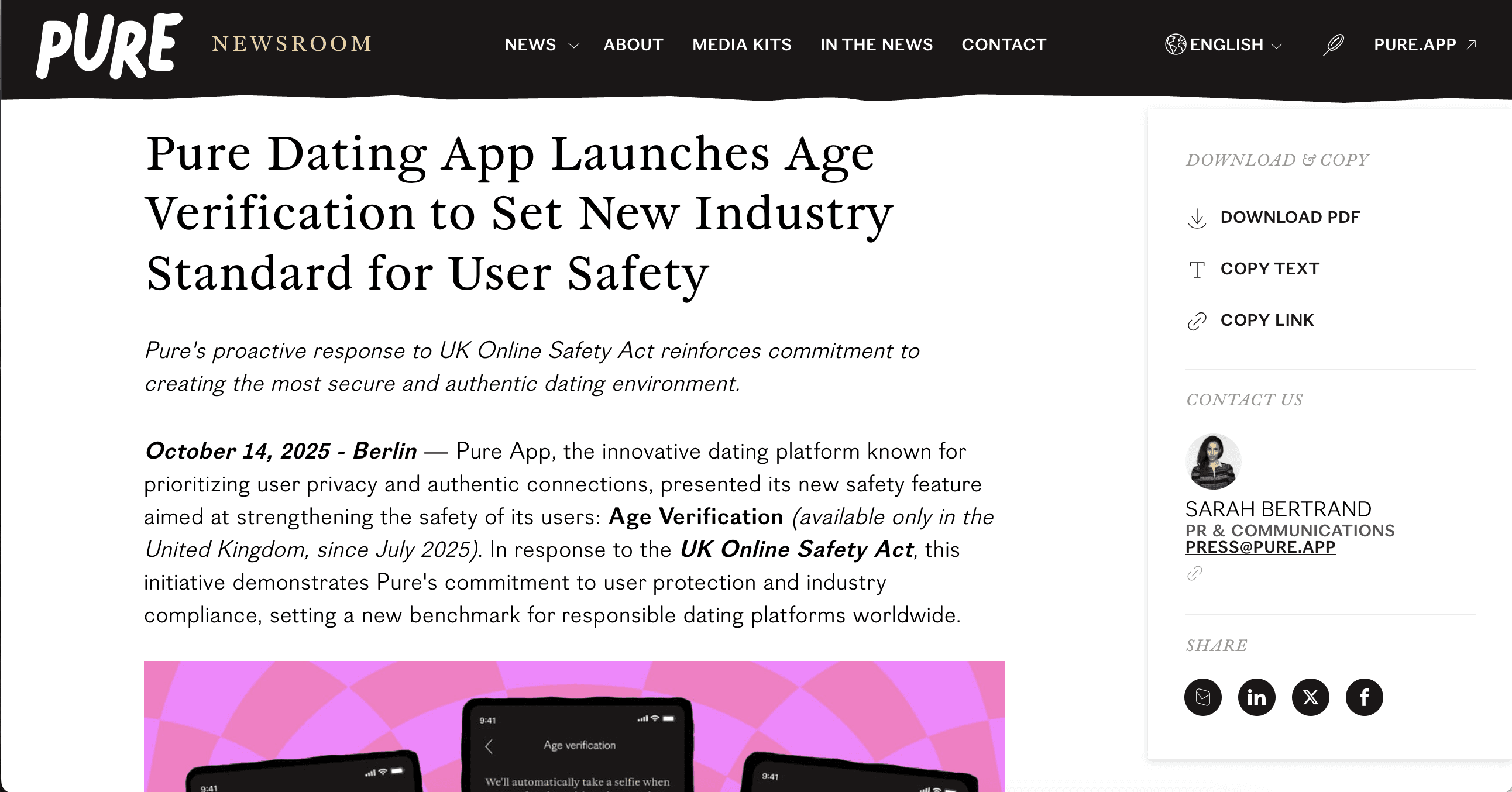
▲ Pure App's newsroom makes it easier for journalists to access everything they need to tell a story, including high-quality images, media-rich press releases, contact details, and more.
Grow your brand with an online newsroom
With digital channels more crowded with content than ever, your brand’s newsroom becomes a strategic lifeline. It gives you the ability to own and control your narrative, also in search engines and AI tools.
Whether you want to build trust through transparency, connect with current and future employees through authentic storytelling, or reach investors with timely updates, your online newsroom can become the heartbeat of your PR strategy and a space where your brand tells its story authentically.
Are you ready to create a modern, integrated newsroom that strengthens your owned channels and amplifies your impact? Then book a demo to learn more about PR.co-powered newsrooms.
FAQs
What’s the difference between an online newsroom and a press page?
An online newsroom is a dynamic, owned-media hub where brands publish well-crafted, story-driven PR content directly for their audiences. It functions like an in-house publication and typically offers news updates, features, insights and multimedia in one place.
A press page, by contrast, is a static section of a website used to archive media assets like company announcements, statements and press releases primarily for journalists rather than broad audiences.
What are the benefits of a brand newsroom?
An online brand newsroom makes it easy for various audiences (e.g., customers, journalists, employees, job candidates and investors) to find information about your company.
It’s the public-facing heart of your brand. When executed well, your newsroom can increase audience engagement, brand recognition and media coverage. It can also help you to control your brand messaging in the age of AI.
Why should brands “own” their narrative?
If you rely solely on third-party coverage, your brand message can easily become diluted. Owning your narrative through an online newsroom ensures your stories are told accurately, authentically and on your terms. At the same time, it acts as a credible resource for journalists, influencers, employees, investors and other audiences.
How does a newsroom help with SEO and AI-driven discovery?
A modern online newsroom is an SEO asset. Because you own the platform, you can optimize PR content around the keywords, questions and topics that matter to your audiences. This means you get to rank for relevant searches and appear accurately in AI-generated summaries.
If you structure your content for both search engines and generative AI (e.g., by using clear headings, authoritative information and rich media), you improve discoverability and ensure your brand story is consistently represented.
Key points
With today’s fragmented media ecosystem, brands must prioritize their owned channels to stay visible, credible and in control of their narrative.
A newsroom gives brands a direct communication line, supports SEO and GEO, improves message consistency across channels and enables brand journalism that builds trust and emotional connection.
Strong newsrooms host a variety of content (e.g., stories, insights, video, motion graphics, employee features, media kits and more) designed to engage customers, media contacts, investors and other audiences.
By publishing high-quality, search-friendly content that reflects brand values, a newsroom can deepen loyalty, increase coverage and serve as the heartbeat of your company’s broader PR and content strategy.

It can be tough to land media coverage and manage brand perceptions across today’s splintered mix of AI tools, social media platforms, news outlets and creator-driven channels. To stay credible and visible, top brands now pay closer attention to their owned channels than before.
Over the last few years, brands like Apple and WeTransfer have replaced ho-hum, utilitarian press pages with vibrant online newsrooms that put valuable brand content directly into their audiences’ hands. No distractions. No intermediaries.
If you’re ready to truly own your narrative, read on to discover how to optimize your owned-media strategy and create a direct, authoritative connection between your brand and your most important stakeholders.
How can a corporate newsroom enhance your brand’s PR strategy?
A well-built corporate media center lets you bypass traditional gatekeepers (e.g., the journalists and editors at news organizations) and speak to your audiences on your own terms. While it’s still critical to secure third-party coverage and “earned” trust, which builds credibility, your owned media platforms provide a direct line to critical audiences.
A modern newsroom, powered by state-of-the-art newsroom software, is also much more than a home for static press releases. Today’s top brands use their newsrooms as flexible, interactive publishing hubs for all kinds of brand content. Think media kits, expert commentary, customer stories, research insights, product updates and more.

With the proper structure and strategy, your brand media center can become the engine of your entire owned media ecosystem and digital PR strategy. The content published here can power your website, newsletters, social media channels and even partner platforms with consistent storytelling.
“With declining trust in traditional media and increasing amounts of misinformation online, businesses are investing more in owned media platforms,” a Sprinklr article notes. “This shift allows you to control your messaging, engage audiences directly and reduce reliance on third-party media.”
As you own the platform, you also own discovery. With the right newsroom SEO strategy, you can ensure your content ranks well for the topics and questions your audiences care about. And as AI-driven search becomes more influential, you can incorporate generative engine optimization (GEO) tactics to ensure your brand is accurately represented in AI-generated summaries.

▲ When looking up news about The Social Hub's growth, their own newsroom appears as a source in Google's AI overviews. This highlights the importance of having an owned channel to share your story and shape your reputation.
Another significant advantage is that your newsroom provides a platform for the kind of brand journalism that can help you build trust, authority and emotional connection with your audiences, as Apple masterfully does.
When you publish stories that educate, inspire and create reasons to believe in your brand, your online newsroom becomes a dynamic platform that can deepen customer loyalty and strengthen your position in the market.
What type of content can be shared through an online newsroom?
The “company press page” used to be a one-way announcement board. Today, the best brand newsrooms are conversation starters.
As these powerful online newsroom examples show, good corporate newsrooms tend to host a diverse mix of content tailored to multiple stakeholders. They cater, for example, to journalists and customers who want to stay in the know about product launches, investors interested in annual reports, and future employees on the hunt for employers that echo their values and ambitions.

▲ Minor Hotels uses their online newsroom to share their latest sustainability reports and travel trends.
To stay competitive and get the attention your brand deserves, your newsroom content must be genuinely compelling. Focus on sharing stories your audiences want to read, watch or listen to, i.e., content that adds value, engages stakeholders and reflects authentic thought leadership and industry expertise.
It’s also key to use the digital storytelling tools at your disposal. Even technical pieces like annual reports can become dynamic, multimedia narratives enhanced with video, motion graphics and data visualization. Employee profiles, product launches and other updates can also be brought to life with short-form video, behind-the-scenes content and interactive elements.
And while your newsroom can help you reach target audiences directly, it remains an essential resource for journalists. If you keep it stocked with visual press releases, ready-to-use media assets, downloadable media kits and official quotes, you improve your chances of getting coverage that aligns with your intended message.

▲ Pure App's newsroom makes it easier for journalists to access everything they need to tell a story, including high-quality images, media-rich press releases, contact details, and more.
Grow your brand with an online newsroom
With digital channels more crowded with content than ever, your brand’s newsroom becomes a strategic lifeline. It gives you the ability to own and control your narrative, also in search engines and AI tools.
Whether you want to build trust through transparency, connect with current and future employees through authentic storytelling, or reach investors with timely updates, your online newsroom can become the heartbeat of your PR strategy and a space where your brand tells its story authentically.
Are you ready to create a modern, integrated newsroom that strengthens your owned channels and amplifies your impact? Then book a demo to learn more about PR.co-powered newsrooms.
FAQs
What’s the difference between an online newsroom and a press page?
An online newsroom is a dynamic, owned-media hub where brands publish well-crafted, story-driven PR content directly for their audiences. It functions like an in-house publication and typically offers news updates, features, insights and multimedia in one place.
A press page, by contrast, is a static section of a website used to archive media assets like company announcements, statements and press releases primarily for journalists rather than broad audiences.
What are the benefits of a brand newsroom?
An online brand newsroom makes it easy for various audiences (e.g., customers, journalists, employees, job candidates and investors) to find information about your company.
It’s the public-facing heart of your brand. When executed well, your newsroom can increase audience engagement, brand recognition and media coverage. It can also help you to control your brand messaging in the age of AI.
Why should brands “own” their narrative?
If you rely solely on third-party coverage, your brand message can easily become diluted. Owning your narrative through an online newsroom ensures your stories are told accurately, authentically and on your terms. At the same time, it acts as a credible resource for journalists, influencers, employees, investors and other audiences.
How does a newsroom help with SEO and AI-driven discovery?
A modern online newsroom is an SEO asset. Because you own the platform, you can optimize PR content around the keywords, questions and topics that matter to your audiences. This means you get to rank for relevant searches and appear accurately in AI-generated summaries.
If you structure your content for both search engines and generative AI (e.g., by using clear headings, authoritative information and rich media), you improve discoverability and ensure your brand story is consistently represented.
On this page
Gepubliceerd
4 dec 2025
Bijgewerkt op
4 dec 2025
Geschreven door
Beoordeeld door
Genoten van het artikel?
Ontvang de beste nieuwsbrief voor Nederlandse pr-professionals
Join thousands of PR professionals, communicators, spokespersons and marketers to receive our latest articles about PR, communications, marketing, AI and useful PR.co product tips.
15-min demo

Ontdek PR.co
Learn how modern PR teams drive their PR strategy with PR.co. No fluff — just a quick, insightful product demo to see if it’s right for you.

4.7

Ontdek PR.co
Learn how modern PR teams drive their PR strategy with PR.co. No fluff — just a quick, insightful product demo to see if it’s right for you.

4.7
15-min demo

Ontdek PR.co
Learn how modern PR teams drive their PR strategy with PR.co. No fluff — just a quick, insightful product demo to see if it’s right for you.