Substack voor PR: wat werkt, wat niet en wat volgt
Substack voor PR: wat werkt, wat niet en wat volgt


Key points
Substack works well for personal, expert-driven communication without traditional media gatekeepers.
It offers simple publishing with some search and AI visibility benefits, but most of those benefits strengthen Substack’s domain (not yours).
Drawbacks include limited control over data compared to owned media platforms, limited customization and no CRM or newsroom integrations.
A PR.co newsroom, in turn, offers complete control over your brand narrative, design, data and domain authority.
In 2017, as newsrooms shrank and other public relations platforms became more unpredictable, Substack offered digital PR teams a direct line to their audiences. So it’s no surprise the platform surged in relevance, and now boasts more than 5 million paid subscribers.
But as more brands experiment with collaborative content, newsletters, podcasts and paid communities on Substack, a harder question emerges: does it genuinely build long-term brand equity, or are you simply investing in someone else’s platform?
This guide explains when Substack works, where it fails and why newsrooms ultimately deliver better long-term value.
When does Substack make sense for PR?
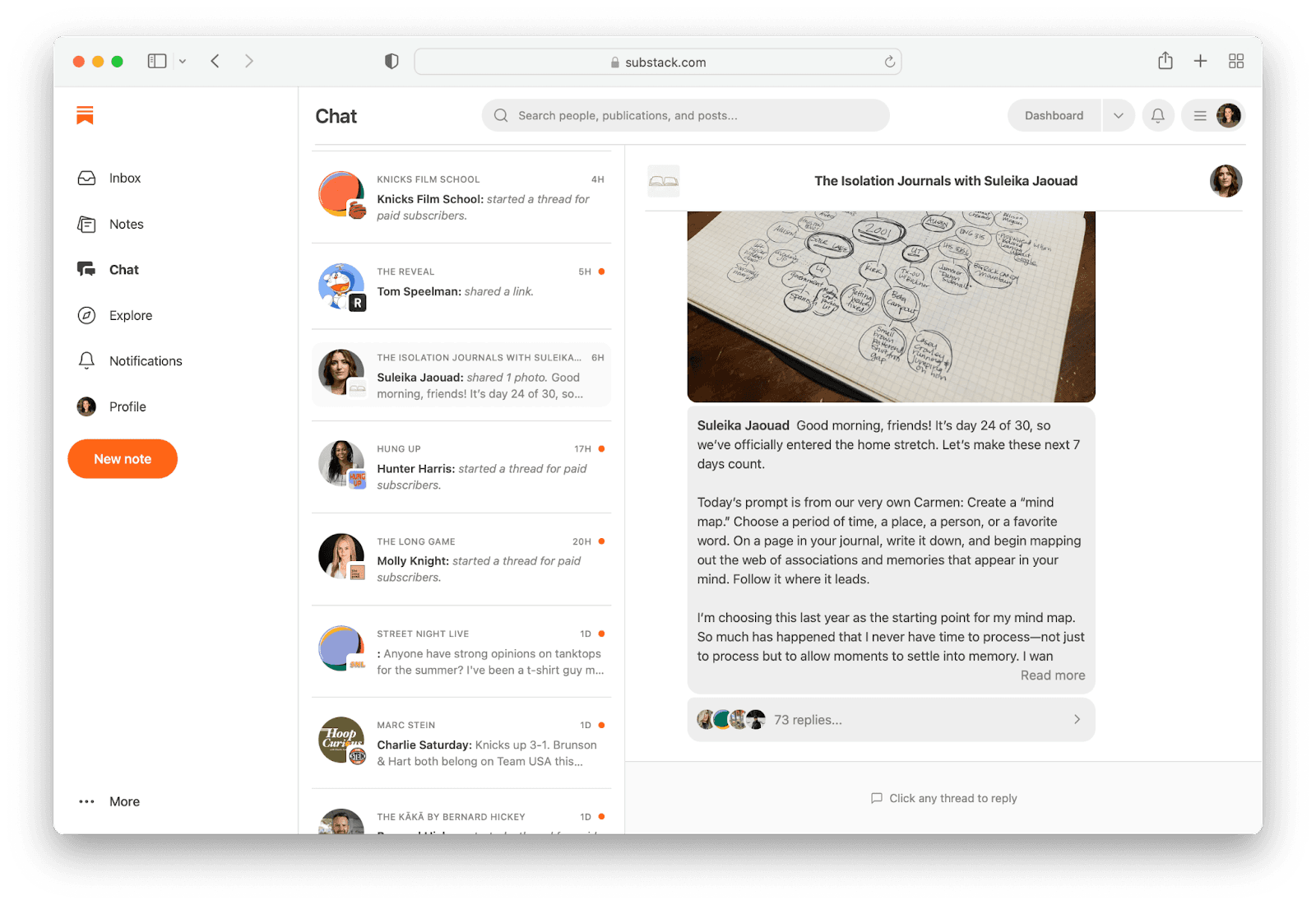
Substack connects readers with content creators through newsletters, podcasts and, to a lesser extent, video content. Many of the world’s top PR pros also use the tool in to build multi-layered story ecosystems.
The platform offers a space for:
Thought leadership and executive voice
Substack cuts out traditional media gatekeepers and opens up a communication channel to engaged, opt‑in subscribers. This makes the platform ideal for thought leaders who want to cultivate a distinct voice that feels more personal than official brand content.
Michelle Andrade, Senior Manager of PR & Comms at Exverus Media, explains the appeal: “The posts feel timely and on the pulse, rather than canned or overly corporatized.”
Substack is also a good way to engage directly with journalists.
“PR pros can use it to engage journalists personally by subscribing, commenting and offering thoughtful insights that add value to their work,” Elise Riley from My Global Presence writes in a Forbes article on the topic.
“These consistent, genuine interactions foster trust, collaboration and lasting story opportunities, reminding us that true relationship-building is always a two-way street.”
Community development
The platform often attracts passionate, highly specific audiences, which gives smaller or specialized brands space for deep, authentic community building.
Fatou B. Barry, Founder of PR Girl Manifesto, points to Meredith & The Media as an example: “I think it’s a must-follow for public relations/comms pros who are trying to understand the pulse of modern media.”
Another insight from the Forbes article is to consider co-creating “media drops” with niche Substack writers. This approach respects the writer’s editorial voice and often results in deeper, more thoughtful coverage that resonates with their community.
Brand visibility in search and AI tools
Substack’s all-in-one setup makes publishing simple (no fussy technical configuration required). Public posts can also be indexed by search engines and referenced by AI tools like ChatGPT and Perplexity.
The catch? Publishing on Substack’s default domain enhances Substack’s search and generative engine visibility, but it doesn’t build your brand’s domain authority.
Note, however, that for a one-time US$50 fee, you can add a custom domain and publish at www.yourbrand.com instead. This gives you ownership of your web address and portability if you ever leave the platform.
4. Independent journalism
Substack offers freelance and independent journalists to share their stories beyond traditional media outlets. Here, they can build communitites for niche topics and gain a following outside of mainstream media outlets with more editorial independence.
For PR professionals, this creates opportunities with reporters who are building their own audiences and pursuing unique angles. And by engaging with independent writers, PR teams can support diverse voices, gain more nuanced coverage, and tap into communities that may not be reached through mainstream channels.
What are the limitations of Substack for PR?
While Substack offers simplicity and direct communication with niche audiences, it has limitations in terms of control, integration and long-term strategic value.
Narrative dependency
As you operate within Substack’s format, domain, discovery system and audience dynamics, you don’t always have control over the content experience and whether your content is seen.
You’re also subject to Substack’s moderation policies (this means they can delete your account) and don’t fully own your data.
Brand limitations
If you use martech, Substack may create operational headaches. It doesn’t sync with CRMs, segment audiences or automate workflows.
Visual identity is also limited. While you can upload a logo and select a few colors, customization remains minimal.
Lastly, Substack lacks many of the features modern newsroom platforms incorporate (e.g., embargo management and downloadable media kits and asset libraries).
How do brands “own their narrative?”
Relying on Substack as the core of your PR strategy is risky because it puts your brand storytelling, reach and audience relationships in a system you don’t control.
Substack controls the format, moderation rules, algorithm, data access, subscriber experience and even the long-term availability of your content. Any change to those variables can directly impact your ability to communicate with stakeholders.
By contrast, platforms you own (e.g., a branded online newsroom) are stable, portable assets that accumulate value over time. They build domain authority, centralize your narrative, integrate with the rest of your communications ecosystem, and ensure you always have access to your audience and data.
In today's media landscape, if you want to truly own your narrative and secure long-term growth, it’s critical to build platforms you own. For ongoing media relations and long-term brand development, an owned media newsroom makes more sense.
The future of PR is owned and integrated platforms
Substack will continue to serve individual voices and niche communities, but ambitious brands increasingly demand platforms that deliver a more structured environment.
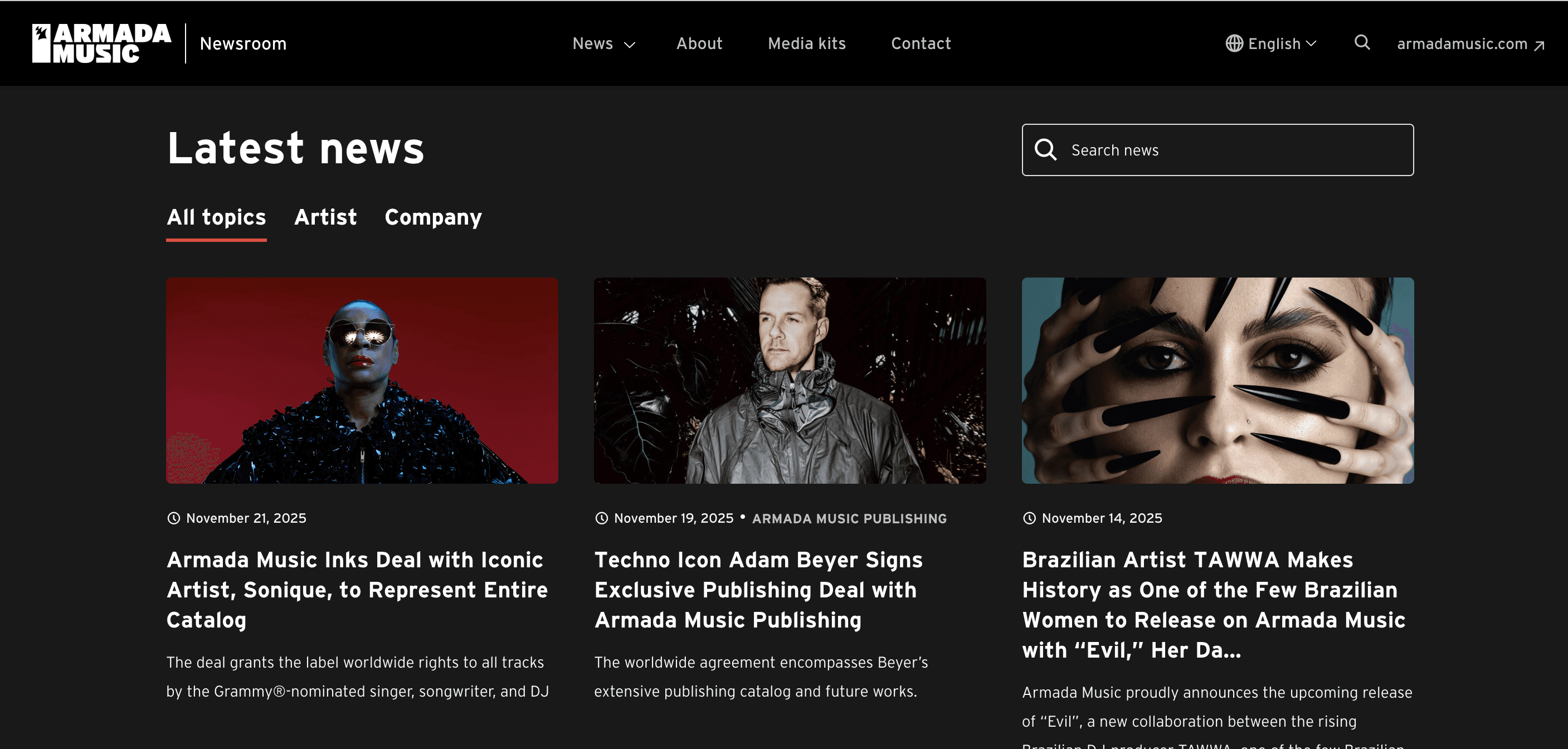
A dedicated newsroom can give you what Substack can’t: a centralized, searchable home for press releases, media kits, assets, backgrounders and evergreen narratives. These are the elements journalists and other stakeholders typically expect from established brands.
At PR.co, we also believe that, over the next few years, PR teams will rely more heavily on platforms they own because:
AI-driven discovery favors well-structured, owned-domain content.
Brands need a single source of truth for journalists and stakeholders.
Integration with martech and PR tools has become essential for measurement, automation and gaining a competitive advantage.
Own your story, own your platform
Platforms like Substack are rented spaces. Rules shift, algorithms change and features disappear.
If you want long-term control of your brand narrative, it’s best to use Substack as a supplement and to prioritize a branded online newsroom. This strategy gives you direct stakeholder access with complete control over your content, design and future. Plus, your audience data and equity stay with your brand, not Substack’s.
PR.co lets you build a newsroom as engaging and intimate as Substack, with the credibility, flexibility and ownership this platform can never offer.
Ready to build your owned media strategy with PR.co? Schedule a demo.
FAQs
Should my brand start a Substack newsletter?
It depends on your goals. Substack works well for individual executives who want to build personal thought leadership or test content ideas quickly. It also works well for building relationships with independent journalists and co-creating content.
However, for long-term brand equity, CRM integration, design flexibility and data ownership, a dedicated PR platform like PR.co offers better strategic value. Make Substack a supplement (and not a foundation) of your media strategy.
What’s the difference between using Substack’s default domain vs. a custom domain?
Default subdomain (yourname.substack.com):
Pros: SEO benefits from the Substack domain, faster visibility and zero technical setup.
Cons: You don’t own the URL; SEO benefits Substack; migration is harder.
Custom domain (www.yourbrand.com):
Pros: Full URL ownership; you can take the audience with you; you can build domain SEO.
Cons: One-time US$50 fee; starts at zero domain authority; requires DNS configuration; temporary traffic dip when you switch.
I use Substack for PR. Can I migrate my Substack audience to another platform?
You can export your subscriber list (paid subscribers included), posts and related stats. However, to migrate paid subscriptions, you’ll need to coordinate with Substack support and your payment processor.
The process varies by platform, and subscribers may need to reauthorize payments, which can disrupt continuity and risk subscriber loss.
Key points
Substack works well for personal, expert-driven communication without traditional media gatekeepers.
It offers simple publishing with some search and AI visibility benefits, but most of those benefits strengthen Substack’s domain (not yours).
Drawbacks include limited control over data compared to owned media platforms, limited customization and no CRM or newsroom integrations.
A PR.co newsroom, in turn, offers complete control over your brand narrative, design, data and domain authority.
In 2017, as newsrooms shrank and other public relations platforms became more unpredictable, Substack offered digital PR teams a direct line to their audiences. So it’s no surprise the platform surged in relevance, and now boasts more than 5 million paid subscribers.
But as more brands experiment with collaborative content, newsletters, podcasts and paid communities on Substack, a harder question emerges: does it genuinely build long-term brand equity, or are you simply investing in someone else’s platform?
This guide explains when Substack works, where it fails and why newsrooms ultimately deliver better long-term value.
When does Substack make sense for PR?
Substack connects readers with content creators through newsletters, podcasts and, to a lesser extent, video content. Many of the world’s top PR pros also use the tool in to build multi-layered story ecosystems.
The platform offers a space for:
Thought leadership and executive voice
Substack cuts out traditional media gatekeepers and opens up a communication channel to engaged, opt‑in subscribers. This makes the platform ideal for thought leaders who want to cultivate a distinct voice that feels more personal than official brand content.
Michelle Andrade, Senior Manager of PR & Comms at Exverus Media, explains the appeal: “The posts feel timely and on the pulse, rather than canned or overly corporatized.”
Substack is also a good way to engage directly with journalists.
“PR pros can use it to engage journalists personally by subscribing, commenting and offering thoughtful insights that add value to their work,” Elise Riley from My Global Presence writes in a Forbes article on the topic.
“These consistent, genuine interactions foster trust, collaboration and lasting story opportunities, reminding us that true relationship-building is always a two-way street.”
Community development
The platform often attracts passionate, highly specific audiences, which gives smaller or specialized brands space for deep, authentic community building.
Fatou B. Barry, Founder of PR Girl Manifesto, points to Meredith & The Media as an example: “I think it’s a must-follow for public relations/comms pros who are trying to understand the pulse of modern media.”
Another insight from the Forbes article is to consider co-creating “media drops” with niche Substack writers. This approach respects the writer’s editorial voice and often results in deeper, more thoughtful coverage that resonates with their community.
Brand visibility in search and AI tools
Substack’s all-in-one setup makes publishing simple (no fussy technical configuration required). Public posts can also be indexed by search engines and referenced by AI tools like ChatGPT and Perplexity.
The catch? Publishing on Substack’s default domain enhances Substack’s search and generative engine visibility, but it doesn’t build your brand’s domain authority.
Note, however, that for a one-time US$50 fee, you can add a custom domain and publish at www.yourbrand.com instead. This gives you ownership of your web address and portability if you ever leave the platform.
4. Independent journalism
Substack offers freelance and independent journalists to share their stories beyond traditional media outlets. Here, they can build communitites for niche topics and gain a following outside of mainstream media outlets with more editorial independence.
For PR professionals, this creates opportunities with reporters who are building their own audiences and pursuing unique angles. And by engaging with independent writers, PR teams can support diverse voices, gain more nuanced coverage, and tap into communities that may not be reached through mainstream channels.
What are the limitations of Substack for PR?
While Substack offers simplicity and direct communication with niche audiences, it has limitations in terms of control, integration and long-term strategic value.
Narrative dependency
As you operate within Substack’s format, domain, discovery system and audience dynamics, you don’t always have control over the content experience and whether your content is seen.
You’re also subject to Substack’s moderation policies (this means they can delete your account) and don’t fully own your data.
Brand limitations
If you use martech, Substack may create operational headaches. It doesn’t sync with CRMs, segment audiences or automate workflows.
Visual identity is also limited. While you can upload a logo and select a few colors, customization remains minimal.
Lastly, Substack lacks many of the features modern newsroom platforms incorporate (e.g., embargo management and downloadable media kits and asset libraries).
How do brands “own their narrative?”
Relying on Substack as the core of your PR strategy is risky because it puts your brand storytelling, reach and audience relationships in a system you don’t control.
Substack controls the format, moderation rules, algorithm, data access, subscriber experience and even the long-term availability of your content. Any change to those variables can directly impact your ability to communicate with stakeholders.
By contrast, platforms you own (e.g., a branded online newsroom) are stable, portable assets that accumulate value over time. They build domain authority, centralize your narrative, integrate with the rest of your communications ecosystem, and ensure you always have access to your audience and data.
In today's media landscape, if you want to truly own your narrative and secure long-term growth, it’s critical to build platforms you own. For ongoing media relations and long-term brand development, an owned media newsroom makes more sense.
The future of PR is owned and integrated platforms
Substack will continue to serve individual voices and niche communities, but ambitious brands increasingly demand platforms that deliver a more structured environment.
A dedicated newsroom can give you what Substack can’t: a centralized, searchable home for press releases, media kits, assets, backgrounders and evergreen narratives. These are the elements journalists and other stakeholders typically expect from established brands.
At PR.co, we also believe that, over the next few years, PR teams will rely more heavily on platforms they own because:
AI-driven discovery favors well-structured, owned-domain content.
Brands need a single source of truth for journalists and stakeholders.
Integration with martech and PR tools has become essential for measurement, automation and gaining a competitive advantage.
Own your story, own your platform
Platforms like Substack are rented spaces. Rules shift, algorithms change and features disappear.
If you want long-term control of your brand narrative, it’s best to use Substack as a supplement and to prioritize a branded online newsroom. This strategy gives you direct stakeholder access with complete control over your content, design and future. Plus, your audience data and equity stay with your brand, not Substack’s.
PR.co lets you build a newsroom as engaging and intimate as Substack, with the credibility, flexibility and ownership this platform can never offer.
Ready to build your owned media strategy with PR.co? Schedule a demo.
FAQs
Should my brand start a Substack newsletter?
It depends on your goals. Substack works well for individual executives who want to build personal thought leadership or test content ideas quickly. It also works well for building relationships with independent journalists and co-creating content.
However, for long-term brand equity, CRM integration, design flexibility and data ownership, a dedicated PR platform like PR.co offers better strategic value. Make Substack a supplement (and not a foundation) of your media strategy.
What’s the difference between using Substack’s default domain vs. a custom domain?
Default subdomain (yourname.substack.com):
Pros: SEO benefits from the Substack domain, faster visibility and zero technical setup.
Cons: You don’t own the URL; SEO benefits Substack; migration is harder.
Custom domain (www.yourbrand.com):
Pros: Full URL ownership; you can take the audience with you; you can build domain SEO.
Cons: One-time US$50 fee; starts at zero domain authority; requires DNS configuration; temporary traffic dip when you switch.
I use Substack for PR. Can I migrate my Substack audience to another platform?
You can export your subscriber list (paid subscribers included), posts and related stats. However, to migrate paid subscriptions, you’ll need to coordinate with Substack support and your payment processor.
The process varies by platform, and subscribers may need to reauthorize payments, which can disrupt continuity and risk subscriber loss.
Blijf vooroplopen in PR & comms
Ontvang expertinzichten over PR, communicatie en AI in je inbox.
On this page
Gepubliceerd
Bijgewerkt op
Geschreven door
Beoordeeld door

Genoten van het artikel?
Ontvang de beste nieuwsbrief voor Nederlandse pr-professionals
Ontvang expertinzichten over PR, communicatie en AI in je inbox.
15-min demo

Ontdek PR.co
Ontdek hoe grote PR-teams complexe workflows oplossen met PR.co. Geen fluff — gewoon een kort, inzichtelijk gesprek om te zien hoe we kunnen helpen.

4.7
Ontdek PR.co
Ontdek hoe grote PR-teams complexe workflows oplossen met PR.co. Geen fluff — gewoon een kort, inzichtelijk gesprek om te zien hoe we kunnen helpen.
4.7
15-min demo
Ontdek PR.co
Ontdek hoe grote PR-teams complexe workflows oplossen met PR.co. Geen fluff — gewoon een kort, inzichtelijk gesprek om te zien hoe we kunnen helpen.