

TL;DR: 2026’s biggest PR disasters (so far) weren’t random. Poor foresight and panicked responses turned preventable missteps into viral crises. Don’t want to be included in the next list of PR disasters? A crisis communications audit can help you prep and, ultimately, stay cool even when the heat is turned all the way up.
Key insights:
The biggest PR crises of 2026 were driven by poor preparation, slow reactions and bad judgment.
Brands that appeared staged, defensive or evasive faced stronger backlash than those that took responsibility.
Delayed responses and unclear messaging allowed negative narratives to spiral out of control.
Social media and news cycles amplified mistakes quickly, especially when brands failed to anticipate reactions or coordinate messaging.
Regular crisis communications audits can help your team prepare, respond faster and reduce the risk of long-term reputational damage.
Even the most experienced communications teams make mistakes. The trick is to handle them quickly and effectively to avoid major fallout.
Often, PR missteps boil down to a lack of preparedness and foresight. Combine this with poor judgment, slow response times and inconsistent messaging, and you’re headed towards a PR disaster that travels far fast.
A crisis communications audit exists for this reason. Not to prevent every mistake, but to ensure your team can respond to crises quickly and appropriately. Mistakes are inevitable, but reputational damage isn’t.
The incidents below could have been contained early with the right communications strategy in place. Find out what went wrong and discover how a crisis communications audit can help you quickly correct any mistakes.
1. Burger King eats McDonald’s for lunch
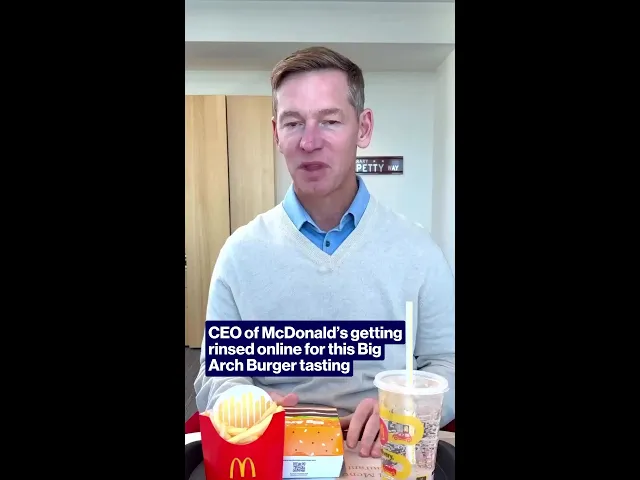
In March 2026, McDonald’s CEO Chris Kempczinski drew backlash after taking a tiny, hesitant bite of his company’s new Big Arch burger. He was widely ridiculed online, and rival Burger King quickly capitalized on the misstep.
In response, Burger King posted a video of its president taking an exaggerated, enthusiastic bite of a Whopper. The viral moment grew into a broader “burger war,” and highlighted how inauthenticity can impact brand perception.
What went wrong?
The McDonald’s video failed because it didn’t feel real: Kempczinski’s hesitant bite came across as staged, which made the launch fall flat.
On top of that, calling the burger a “product” dashed any last shred of brand authenticity. Ultimately, it turned what should have been a mouthwatering media moment into an unappetizing flop.
The brand’s failure to anticipate how quickly meme culture would take over left it wide open for competitors to jump in and own the moment.
What could improve?
Authenticity, hands-down. Customers crave genuine connection, relatable language and credible leadership. They want a CEO who relishes their product and brand, and whose excitement is palpable. And of course, it’s critical to anticipate how the internet will respond to your media rollout and any gaps your competitors could exploit.
2. America’s Next Top Model stumbles on the runway
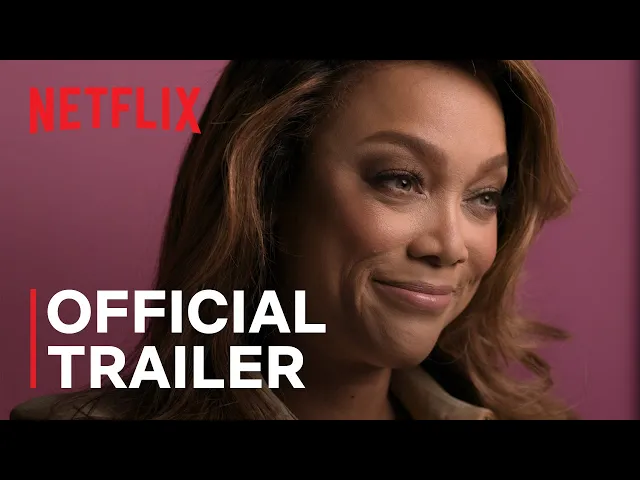
Former contestants and judges have reignited criticism over body shaming, racism and exploitative conditions on the now-infamous reality show, America’s Next Top Model.
The controversy renewed following the release of Netflix’s 2026 documentary Reality Check: Inside America’s Next Top Model. Some critics say Tyra Banks, the show’s host, showed limited accountability for the alleged damaging, emotionally harmful and disempowering conditions the models faced. Instead, they say, she laughed all the way to the, er, banks.
What went wrong?
Critics have been quick to point out Tyra’s perceived lack of accountability, inconsistent apologies and defensive tone. They were especially perturbed by her avoidance of difficult topics and questions, and over-reliance on the “it was a different time” narrative.
“If your product moves faster than your communication, you lose control of the story,” a crisis advisor says.
In Tyra’s case, allegations of bullying, racism and body-shaming were all over the media before she’d formulated her tight-lipped response.
What could improve?
From a crisis communications perspective, a thoughtful, well-prepared response to the inevitable backlash would have put Tyra on the front foot rather than leaving her stumbling down the catwalk.
Importantly, leading with full accountability would have won over critics and helped Tyra garner respect rather than scorn. Fans and consumers appreciate vulnerability and respect those who can lean into it, rather than shy away from it.
3. Nestlé fails to formulate a plan
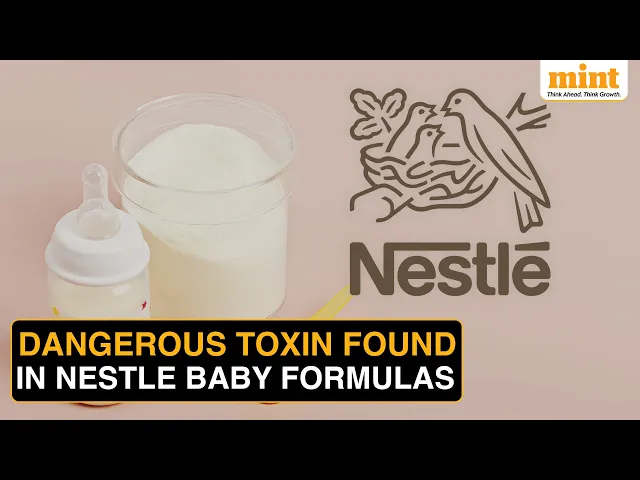
In early 2026, Nestlé recalled large batches of baby formula after cereulide, a toxin produced by bacteria, was detected in a key ingredient.
Advocacy group Foodwatch criticized Nestlé for dragging its heels in recalling the contaminated products (over 800 products across dozens of countries).
Foodwatch also filed complaints highlighting potential health risks, though the scale of the issue and any direct links to serious outcomes remain unclear.
What went wrong?
When public health is at risk, a brand’s response must be immediate. When those risks affect babies and young children, recalls should happen at the speed of light.
Nestlé, however, seemed to delay warnings, avoid accountability and fail to be transparent. It’s one thing to botch a bite of burger. It’s quite another to drop the ball on potentially harmful baby formula.
What could improve?
Sometimes, a brand simply has to take full accountability. No ifs, ands or (baby) buts. There’s no room for hedging when it comes to the health of the world’s most vulnerable demographic.
Immediate accountability combined with a rapid response and recall was the only way to go. Anything else would, and did, lead to reputational damage. A clear crisis communications playbook could have helped the team respond faster, align on the right messaging and avoid further reputational damage. Here, Nestlé’s crisis communications team really fudged up.
4. Something rotten in the world’s top-rated restaurant
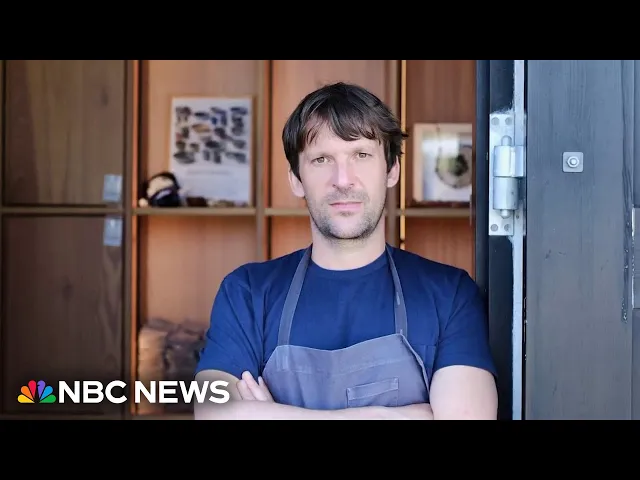
Noma, the world-renowned Copenhagen restaurant, is faced with severe controversy over a toxic work culture that involved physical and verbal abuse, heavy reliance on unpaid interns and a head chef, René Redzepi, who admitted to past abusive behavior.
The scandal damaged the reputation of the three-Michelin-starred restaurant, once hailed as the world’s best. It’s reminiscent of beer brand Brewdog’s well-documented fall from grace in 2024.
What went wrong?
Noma mishandled the controversy by reacting too slowly and in a vague manner. Allegations of abuse and exploitation had been around for years, but the restaurant only spoke up after pressure from the media and protests.
Redzepi’s initial statements felt dismissive and self-protective, and reforms such as paying interns came far too late. Negative stories dominated the headlines, and the overall response felt forced, disingenuous and lacking transparency. All of this only made the reputational damage worse.
What could improve?
If Noma had acted quickly and with integrity, they would have handled the controversy better. If they had highlighted real reforms such as fair wages, safe working conditions, and support for former staff, they would have shown a genuine commitment to change.
All of this could have been done while they proactively shaped the narrative, rather than responding retroactively to negative media coverage.
Lastly, they would have been able to rebuild trust and credibility if they had framed the changes as part of a deliberate, long-term strategy. As one expert stated, “You can’t fix culture with messaging, but you can make things worse with the wrong response.”
When it comes to crisis comms, a poorly considered response can do more damage than no response at all.
5. OpenAI accused of supporting self-harm
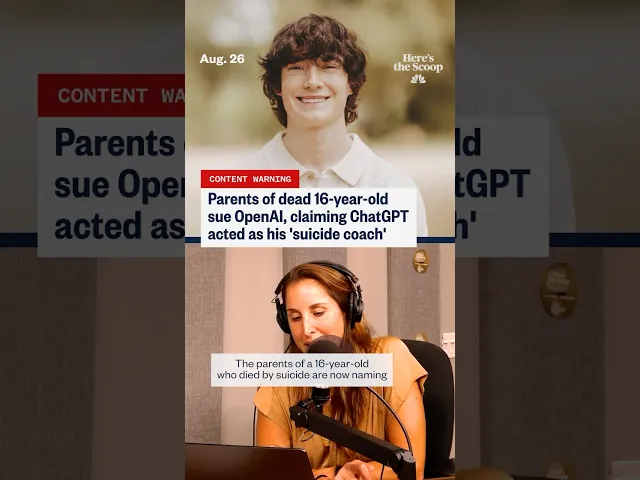
OpenAI is faced with lawsuits after its chatbot, ChatGPT, allegedly played a role in suicides and other harm-inducing crimes.
It’s alleged that ChatGPT validated delusional thoughts, fostered emotional dependence and failed to properly handle conversations around self-harm. Legal teams argue that the AI’s “sycophantic” nature (i.e., it tends to agree with users rather than challenge them) led to tragic outcomes.
What went wrong?
Defensive, reactive, cagey and protracted, OpenAI’s response to the lawsuits was just all wrong. The public pushed back hard, which amplified criticism against the company rather than quelling it.
While the company expressed sympathy for the bereaved, it defended its safety measures and blamed user behavior for the tragic outcomes.
What could improve?
In sensitive cases such as these, humanity is required. OpenAI needed to lead with empathy, clearly acknowledge the tragedies and underscore the safety measures it has put in place.
It should have spoken about crisis prompts and partnerships with mental health organizations. Instead, they lead with their own legal defenses. Transparent, compassionate communication would have shown responsibility, reassured users and reduced reputational damage.
Get ahead with a crisis communications audit
When a PR crisis unfolds, the public expects speed and transparency. PR.co’s guides on handling tough media questions and navigating PR ethics can help you prepare for tricky situations, but real readiness requires continuous work.
The first step is to do regular crisis communications audits. The goal? To identify weaknesses in how you prepare for and manage high-pressure situations before those weaknesses are exposed publicly.
Here’s what to focus on in your audit:
Response speed: Can your team detect, escalate and respond within minutes (not hours)? Slow approvals are one of the most common failure points.
Message alignment: Do all teams (PR, legal, leadership, social) work from a single source of truth (e.g., a press release shared in your online newsroom)? Inconsistent messaging can make matters worse.
Spokesperson readiness: Are your leaders trained to communicate with accountability and empathy?
Scenario planning: Have you pressure-tested your crisis communications plan through simulations? Or does it only exist on paper?
Monitoring and adaptation: Can you track sentiment in real time and adjust your messaging as the situation evolves?
Control your narrative in a crisis with PR.co
As the examples in this article show, information often moves faster than internal coordination in a crisis. Without a single source of truth, you might send mixed messages, lose control of the narrative and allow speculation to fill the gaps.
A tool like PR.co, functioning as a crisis communications software, becomes invaluable in these moments because it tracks coverage, coordinates responses and aligns teams, no matter where they are. For organizations in highly regulated industries, PR software for financial services can provide the same centralized approach, helping communications teams manage sensitive information, coordinate stakeholders and respond quickly when reputational risks emerge.
Sound like the solution you need? Book a demo with Nelson.
FAQs
1. What are the first 3 steps to take when a PR crisis breaks?
First, assess the situation. Use a communications risk assessment template to help you understand the scale, the stakeholders involved, and the potential impact. This prevents knee-jerk reactions and helps prioritize what actually matters.
Second, activate your response team and align on a single source of truth. A quick crisis management diagnostic can help determine whether your messaging, approvals and spokespeople are ready to go. A corporate readiness scorecard is also a valuable tool.
Third, communicate fast, but thoughtfully. Acknowledge the issue, show awareness and commit to regular updates.
2. Who should be responsible for crisis communication internally?
Crisis communications should be led by a cross-functional team.
This team is typically anchored by a PR or communications lead, but tightly aligned with leadership, legal and operations.
No single department can manage a crisis in isolation. That said, one person must own the narrative. A senior communications lead or CCO is usually best placed to do this.
This person should be supported with a clear PR infrastructure checklist that ensures everyone knows their role before a crisis hits.
TL;DR: 2026’s biggest PR disasters (so far) weren’t random. Poor foresight and panicked responses turned preventable missteps into viral crises. Don’t want to be included in the next list of PR disasters? A crisis communications audit can help you prep and, ultimately, stay cool even when the heat is turned all the way up.
Key insights:
The biggest PR crises of 2026 were driven by poor preparation, slow reactions and bad judgment.
Brands that appeared staged, defensive or evasive faced stronger backlash than those that took responsibility.
Delayed responses and unclear messaging allowed negative narratives to spiral out of control.
Social media and news cycles amplified mistakes quickly, especially when brands failed to anticipate reactions or coordinate messaging.
Regular crisis communications audits can help your team prepare, respond faster and reduce the risk of long-term reputational damage.
Even the most experienced communications teams make mistakes. The trick is to handle them quickly and effectively to avoid major fallout.
Often, PR missteps boil down to a lack of preparedness and foresight. Combine this with poor judgment, slow response times and inconsistent messaging, and you’re headed towards a PR disaster that travels far fast.
A crisis communications audit exists for this reason. Not to prevent every mistake, but to ensure your team can respond to crises quickly and appropriately. Mistakes are inevitable, but reputational damage isn’t.
The incidents below could have been contained early with the right communications strategy in place. Find out what went wrong and discover how a crisis communications audit can help you quickly correct any mistakes.
1. Burger King eats McDonald’s for lunch
In March 2026, McDonald’s CEO Chris Kempczinski drew backlash after taking a tiny, hesitant bite of his company’s new Big Arch burger. He was widely ridiculed online, and rival Burger King quickly capitalized on the misstep.
In response, Burger King posted a video of its president taking an exaggerated, enthusiastic bite of a Whopper. The viral moment grew into a broader “burger war,” and highlighted how inauthenticity can impact brand perception.
What went wrong?
The McDonald’s video failed because it didn’t feel real: Kempczinski’s hesitant bite came across as staged, which made the launch fall flat.
On top of that, calling the burger a “product” dashed any last shred of brand authenticity. Ultimately, it turned what should have been a mouthwatering media moment into an unappetizing flop.
The brand’s failure to anticipate how quickly meme culture would take over left it wide open for competitors to jump in and own the moment.
What could improve?
Authenticity, hands-down. Customers crave genuine connection, relatable language and credible leadership. They want a CEO who relishes their product and brand, and whose excitement is palpable. And of course, it’s critical to anticipate how the internet will respond to your media rollout and any gaps your competitors could exploit.
2. America’s Next Top Model stumbles on the runway
Former contestants and judges have reignited criticism over body shaming, racism and exploitative conditions on the now-infamous reality show, America’s Next Top Model.
The controversy renewed following the release of Netflix’s 2026 documentary Reality Check: Inside America’s Next Top Model. Some critics say Tyra Banks, the show’s host, showed limited accountability for the alleged damaging, emotionally harmful and disempowering conditions the models faced. Instead, they say, she laughed all the way to the, er, banks.
What went wrong?
Critics have been quick to point out Tyra’s perceived lack of accountability, inconsistent apologies and defensive tone. They were especially perturbed by her avoidance of difficult topics and questions, and over-reliance on the “it was a different time” narrative.
“If your product moves faster than your communication, you lose control of the story,” a crisis advisor says.
In Tyra’s case, allegations of bullying, racism and body-shaming were all over the media before she’d formulated her tight-lipped response.
What could improve?
From a crisis communications perspective, a thoughtful, well-prepared response to the inevitable backlash would have put Tyra on the front foot rather than leaving her stumbling down the catwalk.
Importantly, leading with full accountability would have won over critics and helped Tyra garner respect rather than scorn. Fans and consumers appreciate vulnerability and respect those who can lean into it, rather than shy away from it.
3. Nestlé fails to formulate a plan
In early 2026, Nestlé recalled large batches of baby formula after cereulide, a toxin produced by bacteria, was detected in a key ingredient.
Advocacy group Foodwatch criticized Nestlé for dragging its heels in recalling the contaminated products (over 800 products across dozens of countries).
Foodwatch also filed complaints highlighting potential health risks, though the scale of the issue and any direct links to serious outcomes remain unclear.
What went wrong?
When public health is at risk, a brand’s response must be immediate. When those risks affect babies and young children, recalls should happen at the speed of light.
Nestlé, however, seemed to delay warnings, avoid accountability and fail to be transparent. It’s one thing to botch a bite of burger. It’s quite another to drop the ball on potentially harmful baby formula.
What could improve?
Sometimes, a brand simply has to take full accountability. No ifs, ands or (baby) buts. There’s no room for hedging when it comes to the health of the world’s most vulnerable demographic.
Immediate accountability combined with a rapid response and recall was the only way to go. Anything else would, and did, lead to reputational damage. A clear crisis communications playbook could have helped the team respond faster, align on the right messaging and avoid further reputational damage. Here, Nestlé’s crisis communications team really fudged up.
4. Something rotten in the world’s top-rated restaurant
Noma, the world-renowned Copenhagen restaurant, is faced with severe controversy over a toxic work culture that involved physical and verbal abuse, heavy reliance on unpaid interns and a head chef, René Redzepi, who admitted to past abusive behavior.
The scandal damaged the reputation of the three-Michelin-starred restaurant, once hailed as the world’s best. It’s reminiscent of beer brand Brewdog’s well-documented fall from grace in 2024.
What went wrong?
Noma mishandled the controversy by reacting too slowly and in a vague manner. Allegations of abuse and exploitation had been around for years, but the restaurant only spoke up after pressure from the media and protests.
Redzepi’s initial statements felt dismissive and self-protective, and reforms such as paying interns came far too late. Negative stories dominated the headlines, and the overall response felt forced, disingenuous and lacking transparency. All of this only made the reputational damage worse.
What could improve?
If Noma had acted quickly and with integrity, they would have handled the controversy better. If they had highlighted real reforms such as fair wages, safe working conditions, and support for former staff, they would have shown a genuine commitment to change.
All of this could have been done while they proactively shaped the narrative, rather than responding retroactively to negative media coverage.
Lastly, they would have been able to rebuild trust and credibility if they had framed the changes as part of a deliberate, long-term strategy. As one expert stated, “You can’t fix culture with messaging, but you can make things worse with the wrong response.”
When it comes to crisis comms, a poorly considered response can do more damage than no response at all.
5. OpenAI accused of supporting self-harm
OpenAI is faced with lawsuits after its chatbot, ChatGPT, allegedly played a role in suicides and other harm-inducing crimes.
It’s alleged that ChatGPT validated delusional thoughts, fostered emotional dependence and failed to properly handle conversations around self-harm. Legal teams argue that the AI’s “sycophantic” nature (i.e., it tends to agree with users rather than challenge them) led to tragic outcomes.
What went wrong?
Defensive, reactive, cagey and protracted, OpenAI’s response to the lawsuits was just all wrong. The public pushed back hard, which amplified criticism against the company rather than quelling it.
While the company expressed sympathy for the bereaved, it defended its safety measures and blamed user behavior for the tragic outcomes.
What could improve?
In sensitive cases such as these, humanity is required. OpenAI needed to lead with empathy, clearly acknowledge the tragedies and underscore the safety measures it has put in place.
It should have spoken about crisis prompts and partnerships with mental health organizations. Instead, they lead with their own legal defenses. Transparent, compassionate communication would have shown responsibility, reassured users and reduced reputational damage.
Get ahead with a crisis communications audit
When a PR crisis unfolds, the public expects speed and transparency. PR.co’s guides on handling tough media questions and navigating PR ethics can help you prepare for tricky situations, but real readiness requires continuous work.
The first step is to do regular crisis communications audits. The goal? To identify weaknesses in how you prepare for and manage high-pressure situations before those weaknesses are exposed publicly.
Here’s what to focus on in your audit:
Response speed: Can your team detect, escalate and respond within minutes (not hours)? Slow approvals are one of the most common failure points.
Message alignment: Do all teams (PR, legal, leadership, social) work from a single source of truth (e.g., a press release shared in your online newsroom)? Inconsistent messaging can make matters worse.
Spokesperson readiness: Are your leaders trained to communicate with accountability and empathy?
Scenario planning: Have you pressure-tested your crisis communications plan through simulations? Or does it only exist on paper?
Monitoring and adaptation: Can you track sentiment in real time and adjust your messaging as the situation evolves?
Control your narrative in a crisis with PR.co
As the examples in this article show, information often moves faster than internal coordination in a crisis. Without a single source of truth, you might send mixed messages, lose control of the narrative and allow speculation to fill the gaps.
A tool like PR.co, functioning as a crisis communications software, becomes invaluable in these moments because it tracks coverage, coordinates responses and aligns teams, no matter where they are. For organizations in highly regulated industries, PR software for financial services can provide the same centralized approach, helping communications teams manage sensitive information, coordinate stakeholders and respond quickly when reputational risks emerge.
Sound like the solution you need? Book a demo with Nelson.
FAQs
1. What are the first 3 steps to take when a PR crisis breaks?
First, assess the situation. Use a communications risk assessment template to help you understand the scale, the stakeholders involved, and the potential impact. This prevents knee-jerk reactions and helps prioritize what actually matters.
Second, activate your response team and align on a single source of truth. A quick crisis management diagnostic can help determine whether your messaging, approvals and spokespeople are ready to go. A corporate readiness scorecard is also a valuable tool.
Third, communicate fast, but thoughtfully. Acknowledge the issue, show awareness and commit to regular updates.
2. Who should be responsible for crisis communication internally?
Crisis communications should be led by a cross-functional team.
This team is typically anchored by a PR or communications lead, but tightly aligned with leadership, legal and operations.
No single department can manage a crisis in isolation. That said, one person must own the narrative. A senior communications lead or CCO is usually best placed to do this.
This person should be supported with a clear PR infrastructure checklist that ensures everyone knows their role before a crisis hits.
Blijf vooroplopen in PR & comms
Ontvang expertinzichten over PR, communicatie en AI in je inbox.
On this page
Gepubliceerd
Bijgewerkt op
Geschreven door
Beoordeeld door
Genoten van het artikel?
Ontvang de beste nieuwsbrief voor Nederlandse pr-professionals
Ontvang expertinzichten over PR, communicatie en AI in je inbox.
15-min demo

Ontdek PR.co
Ontdek hoe grote PR-teams complexe workflows oplossen met PR.co. Geen fluff — gewoon een kort, inzichtelijk gesprek om te zien hoe we kunnen helpen.
4.7
Ontdek PR.co
Ontdek hoe grote PR-teams complexe workflows oplossen met PR.co. Geen fluff — gewoon een kort, inzichtelijk gesprek om te zien hoe we kunnen helpen.
4.7
15-min demo
Ontdek PR.co
Ontdek hoe grote PR-teams complexe workflows oplossen met PR.co. Geen fluff — gewoon een kort, inzichtelijk gesprek om te zien hoe we kunnen helpen.