

PR Predictions for 2026: Why Trust Will Matter More Than Volume


TL;DR: AI has made content faster and easier to produce. In 2026, that volume creates a new pressure for PR teams: trust. The six predictions in this article unpack where digital PR is heading next and why human judgment and credible sources will matter more than ever.
Key insights:
AI use in PR is now widespread, but it no longer sets teams apart.
Human judgment and relationships remain central to PR success.
Over-polished content risks losing credibility.
Owned media provides a reliable source of truth for journalists and Artificial Intelligence.
Being cited matters more than broad visibility.
Niche and independent publications continue to grow in influence.
When generative AI first entered the PR workflow, it offered clear efficiency gains. Drafts took minutes rather than hours, and teams could scale output with fewer resources.
As access to these tools spread, speed and volume no longer set teams apart. Press releases, pitches and updates became easier to produce across more channels.
Instead of stronger PR, the result was more noise. Content multiplied. Trust did not.
Research shows that around 75% of PR pros now use generative AI in their workflows. This reflects how tightly PR and AI are now linked in everyday comms work.
But with AI now a standard tool, differentiation has become harder.
As AI-generated content takes over the internet, the competitive advantage in 2026 shifts back to human qualities: judgement, authenticity, trust and strong relationships.
These six PR trends reflect that shift.
PR Predictions for 2026
1. Will being human set PR teams apart in 2026?
AI tools are now standard across the Public Relations industry. Teams rely on the same platforms, prompts and workflows, which has led to a growing sameness in how brands sound. This, of course, doesn’t do anyone any favors.
AI is a powerful tool, but so is human judgment. And this is where the distinction between generic and an impactful brand content strategy will be seen in the year ahead.
PR professionals should still take the reins to decide which stories deserve attention, which angles feel credible and which journalists to approach. That work relies on context, experience, restraint, and strong thought leadership.
Journalists respond best to PR professionals who deeply understand their beat and respect their time. No AI tool can replicate that level of nuance. In 2026, the PR teams that stand out will be those that sound human and act with intention.
2. Why imperfection will outperform polish
Not long ago, a typo in a press release felt like a failure. It raised questions about care and professionalism. Today, the context has changed.
As AI-generated copy floods digital platforms, small imperfections can signal human authorship. This doesn’t mean accuracy matters less. It means polish alone is no longer a proxy for credibility.
AI produces clean, professional-looking copy with ease. However, as awareness of AI-generated content grows, overly smooth writing and the use of the same AI clichés can put audiences off.
What will stand out instead is content that feels original, human and even slightly offbeat. A clear point of view, a named author and language shaped by real experience will count.
The nutshell: In 2026, credibility will come less from refinement and more from authenticity and originality.
3. Are owned media and online newsrooms becoming essential PR infrastructure?
Search behavior is changing fast. Research shows that around 60% of searches now end without a click, as answers appear directly in search results, Google AI Overviews and other AI summaries.

When fewer people visit full articles or company landing pages, it becomes more important for brands to ensure the information journalists, investors, customers and employees rely on is accurate and easy to verify.
In this environment, owned media and online newsrooms become a strong, non-negotiable anchor. These properties provide journalists and other stakeholders, as well as AI systems and search engines, with a single, reliable source of truth.
The proliferation of fake content makes an even stronger case for prioritizing your owned properties in the year ahead.
4. Will AI reduce workload rather than replace people?
Public relations teams remain under pressure. Budgets stay tight. Expectations continue to rise. This is unlikely to shift in the near future.
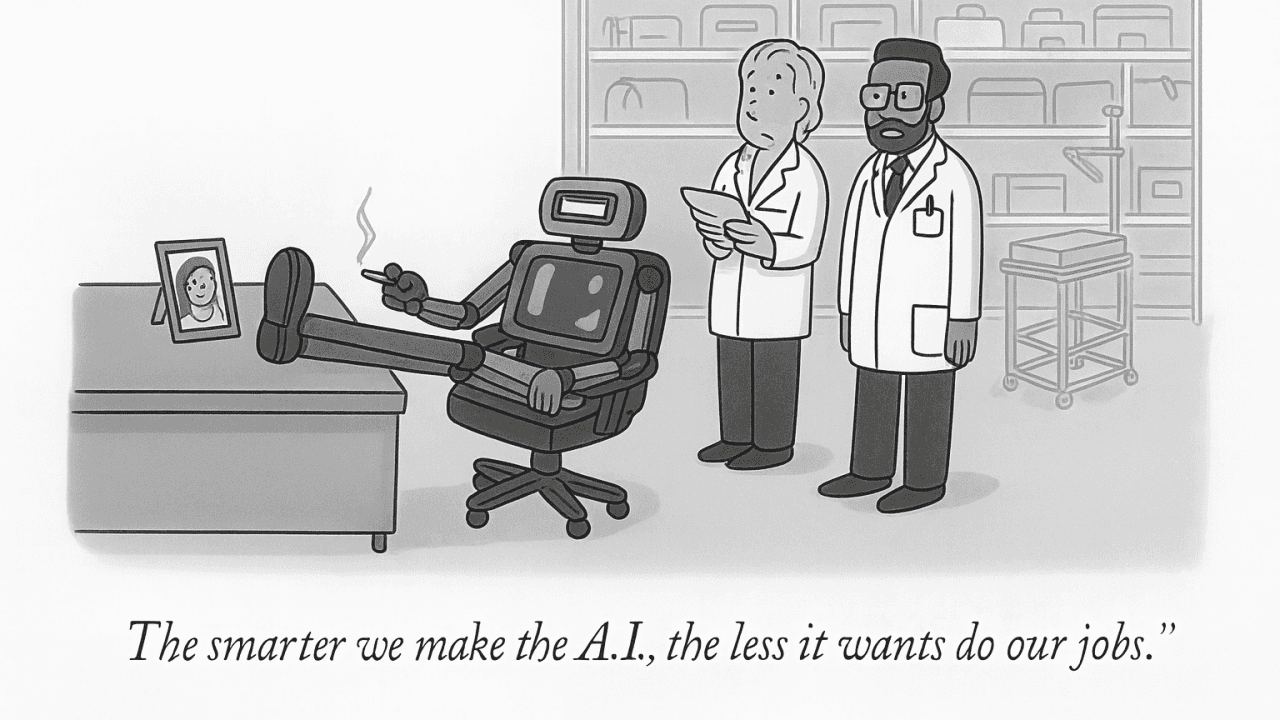
As our recent interviews with top PR professionals revealed, AI is most useful when it improves PR workflow efficiency and eliminates repetitive tasks (e.g., media list management, asset organization and tagging, and interview transcription and summarization). This support frees up time for work that still requires experienced PR professionals.
Relationships with journalists, judgment calls and reputation management all depend on human effort. In 2026, successful teams will use AI to protect that work, not replace it.
5. Is credibility replacing visibility as the main PR goal?
PR measurement has long focused on reach and impressions, based on the assumption that more exposure equals more value.
The rise of features such as Google AI Overviews and Google AI Mode has challenged that logic. When Google’s AI models look for answers to serve on search results pages, prominence is given to trustworthy sources, even without broad visibility.
For PR professionals, this means structured content, credible authorship and other quality signals have become more important.
But that doesn’t mean earned media matters less. Coverage in respected publications still helps to build authority, reinforce credibility and signal trust to both journalists and AI systems.
In 2026, both owned and earned media will remain critical in digital PR.
6. How will niche and independent publications affect brand visibility?
Audience trust has shifted toward individuals and specialist voices. The rise of independent newsletters and platforms such as Substack, along with the growing use of niche influencers, reflects that change.
In 2025, Substack reported more than 5 million paid subscriptions, up from around 2 million in 2024, which means paid readership more than doubled in a year. The platform now reaches over 20 million monthly active subscribers, with traffic up more than 65% year on year.
Those numbers indicate where trust currently stands.
For PR teams, this shift favors fewer broad, “spray-and-pray” pitches. Independent writers and niche influencers expect relevance, context and respect for their audiences.
Plus, Substack can be a good channel to explore this year if you aren’t already active there.
PR trends 2026: What they mean for comms teams
The future of PR is exciting. This year, AI will continue to shape how PR work gets done and how audiences find information about brands.
We believe that PR teams that succeed in 2026 will:
Prioritize human judgment and original, authentic voices in thought leadership content.
Treat owned media as a brand anchor and a single source of truth for journalists, AI models and search engines.
Pursue mentions by authoritative media publications and citations in AI-generated answers.
Use AI to automate repetitive tasks and speed up processes, but never to replace strong human relationships.
If you need help with the administrative side of PR, so your team can focus more on the relationships and digital PR strategies that will get your brand attention in 2026, PR.co is the ideal solution. Schedule a demo to learn more.
TL;DR: AI has made content faster and easier to produce. In 2026, that volume creates a new pressure for PR teams: trust. The six predictions in this article unpack where digital PR is heading next and why human judgment and credible sources will matter more than ever.
Key insights:
AI use in PR is now widespread, but it no longer sets teams apart.
Human judgment and relationships remain central to PR success.
Over-polished content risks losing credibility.
Owned media provides a reliable source of truth for journalists and Artificial Intelligence.
Being cited matters more than broad visibility.
Niche and independent publications continue to grow in influence.
When generative AI first entered the PR workflow, it offered clear efficiency gains. Drafts took minutes rather than hours, and teams could scale output with fewer resources.
As access to these tools spread, speed and volume no longer set teams apart. Press releases, pitches and updates became easier to produce across more channels.
Instead of stronger PR, the result was more noise. Content multiplied. Trust did not.
Research shows that around 75% of PR pros now use generative AI in their workflows. This reflects how tightly PR and AI are now linked in everyday comms work.
But with AI now a standard tool, differentiation has become harder.
As AI-generated content takes over the internet, the competitive advantage in 2026 shifts back to human qualities: judgement, authenticity, trust and strong relationships.
These six PR trends reflect that shift.
PR Predictions for 2026
1. Will being human set PR teams apart in 2026?
AI tools are now standard across the Public Relations industry. Teams rely on the same platforms, prompts and workflows, which has led to a growing sameness in how brands sound. This, of course, doesn’t do anyone any favors.
AI is a powerful tool, but so is human judgment. And this is where the distinction between generic and an impactful brand content strategy will be seen in the year ahead.
PR professionals should still take the reins to decide which stories deserve attention, which angles feel credible and which journalists to approach. That work relies on context, experience, restraint, and strong thought leadership.
Journalists respond best to PR professionals who deeply understand their beat and respect their time. No AI tool can replicate that level of nuance. In 2026, the PR teams that stand out will be those that sound human and act with intention.
2. Why imperfection will outperform polish
Not long ago, a typo in a press release felt like a failure. It raised questions about care and professionalism. Today, the context has changed.
As AI-generated copy floods digital platforms, small imperfections can signal human authorship. This doesn’t mean accuracy matters less. It means polish alone is no longer a proxy for credibility.
AI produces clean, professional-looking copy with ease. However, as awareness of AI-generated content grows, overly smooth writing and the use of the same AI clichés can put audiences off.
What will stand out instead is content that feels original, human and even slightly offbeat. A clear point of view, a named author and language shaped by real experience will count.
The nutshell: In 2026, credibility will come less from refinement and more from authenticity and originality.
3. Are owned media and online newsrooms becoming essential PR infrastructure?
Search behavior is changing fast. Research shows that around 60% of searches now end without a click, as answers appear directly in search results, Google AI Overviews and other AI summaries.

When fewer people visit full articles or company landing pages, it becomes more important for brands to ensure the information journalists, investors, customers and employees rely on is accurate and easy to verify.
In this environment, owned media and online newsrooms become a strong, non-negotiable anchor. These properties provide journalists and other stakeholders, as well as AI systems and search engines, with a single, reliable source of truth.
The proliferation of fake content makes an even stronger case for prioritizing your owned properties in the year ahead.
4. Will AI reduce workload rather than replace people?
Public relations teams remain under pressure. Budgets stay tight. Expectations continue to rise. This is unlikely to shift in the near future.

As our recent interviews with top PR professionals revealed, AI is most useful when it improves PR workflow efficiency and eliminates repetitive tasks (e.g., media list management, asset organization and tagging, and interview transcription and summarization). This support frees up time for work that still requires experienced PR professionals.
Relationships with journalists, judgment calls and reputation management all depend on human effort. In 2026, successful teams will use AI to protect that work, not replace it.
5. Is credibility replacing visibility as the main PR goal?
PR measurement has long focused on reach and impressions, based on the assumption that more exposure equals more value.
The rise of features such as Google AI Overviews and Google AI Mode has challenged that logic. When Google’s AI models look for answers to serve on search results pages, prominence is given to trustworthy sources, even without broad visibility.
For PR professionals, this means structured content, credible authorship and other quality signals have become more important.
But that doesn’t mean earned media matters less. Coverage in respected publications still helps to build authority, reinforce credibility and signal trust to both journalists and AI systems.
In 2026, both owned and earned media will remain critical in digital PR.
6. How will niche and independent publications affect brand visibility?
Audience trust has shifted toward individuals and specialist voices. The rise of independent newsletters and platforms such as Substack, along with the growing use of niche influencers, reflects that change.
In 2025, Substack reported more than 5 million paid subscriptions, up from around 2 million in 2024, which means paid readership more than doubled in a year. The platform now reaches over 20 million monthly active subscribers, with traffic up more than 65% year on year.
Those numbers indicate where trust currently stands.
For PR teams, this shift favors fewer broad, “spray-and-pray” pitches. Independent writers and niche influencers expect relevance, context and respect for their audiences.
Plus, Substack can be a good channel to explore this year if you aren’t already active there.
PR trends 2026: What they mean for comms teams
The future of PR is exciting. This year, AI will continue to shape how PR work gets done and how audiences find information about brands.
We believe that PR teams that succeed in 2026 will:
Prioritize human judgment and original, authentic voices in thought leadership content.
Treat owned media as a brand anchor and a single source of truth for journalists, AI models and search engines.
Pursue mentions by authoritative media publications and citations in AI-generated answers.
Use AI to automate repetitive tasks and speed up processes, but never to replace strong human relationships.
If you need help with the administrative side of PR, so your team can focus more on the relationships and digital PR strategies that will get your brand attention in 2026, PR.co is the ideal solution. Schedule a demo to learn more.
On this page
Published
Jan 12, 2026
Last updated
Jan 12, 2026
Written by
Reviewed by
Subscribe to our newsletter
Enjoyed the article? Join our newsletter!
Join thousands of PR professionals, communicators, spokespersons and marketers to receive our latest articles about PR, communications, marketing, AI and useful PR.co product tips.
15-min demo

Discover PR.co
Learn how modern PR teams drive their PR strategy with PR.co. No fluff — just a quick, insightful product demo to see if it’s right for you.

4.7

Discover PR.co
Learn how modern PR teams drive their PR strategy with PR.co. No fluff — just a quick, insightful product demo to see if it’s right for you.

4.7
15-min demo

Discover PR.co
Learn how modern PR teams drive their PR strategy with PR.co. No fluff — just a quick, insightful product demo to see if it’s right for you.